Skip to content Skip to footer

Welcome to Faro Cathedral

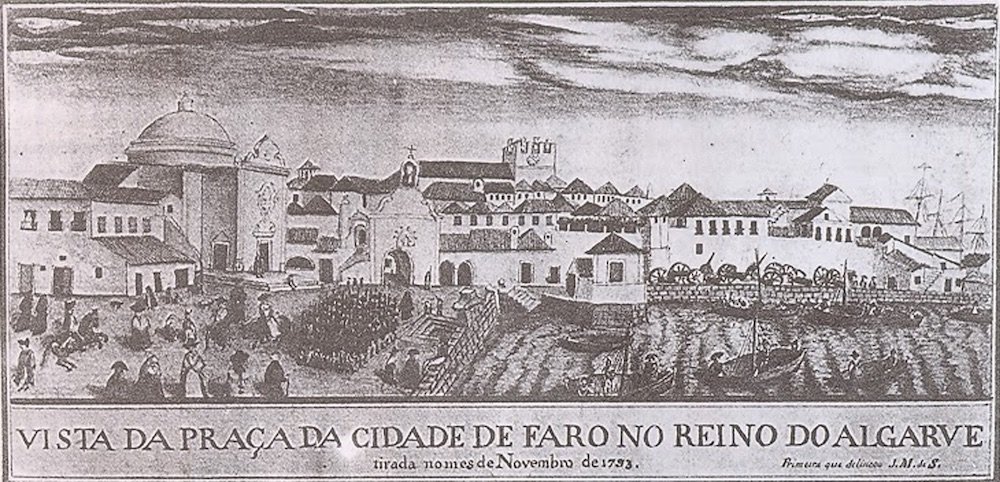
Faro Cathedral, also known as the Church of Saint Mary (Igreja de Santa Maria), is a living monument spanning nearly eight centuries of history. Built upon the remains of a Paleo-Christian basilica and an ancient mosque, the Cathedral is now the seat of the Diocese of the Algarve and one of the region’s most significant heritage treasures.

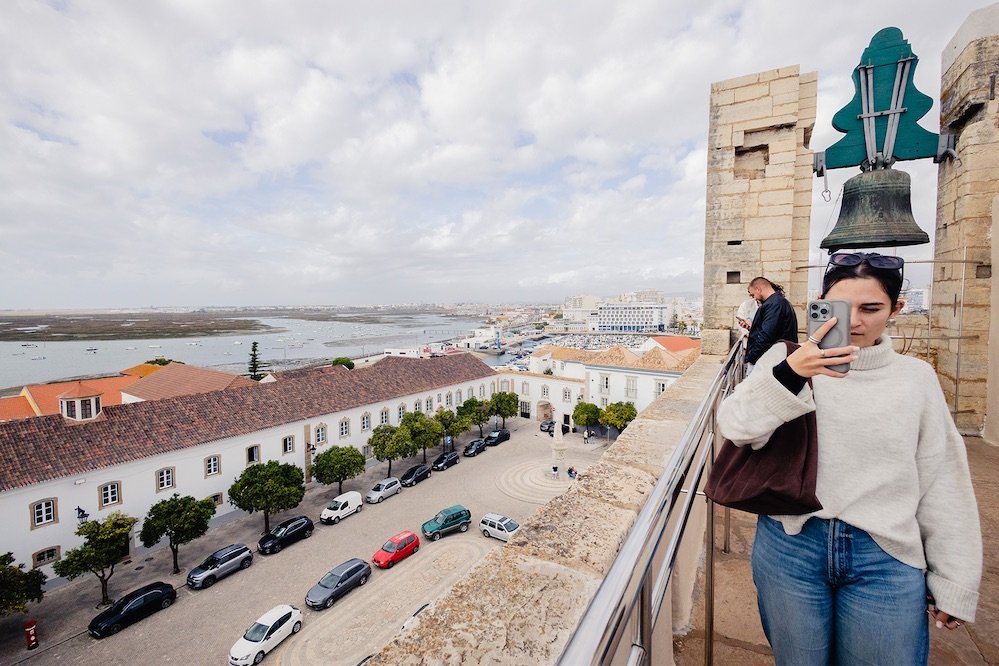
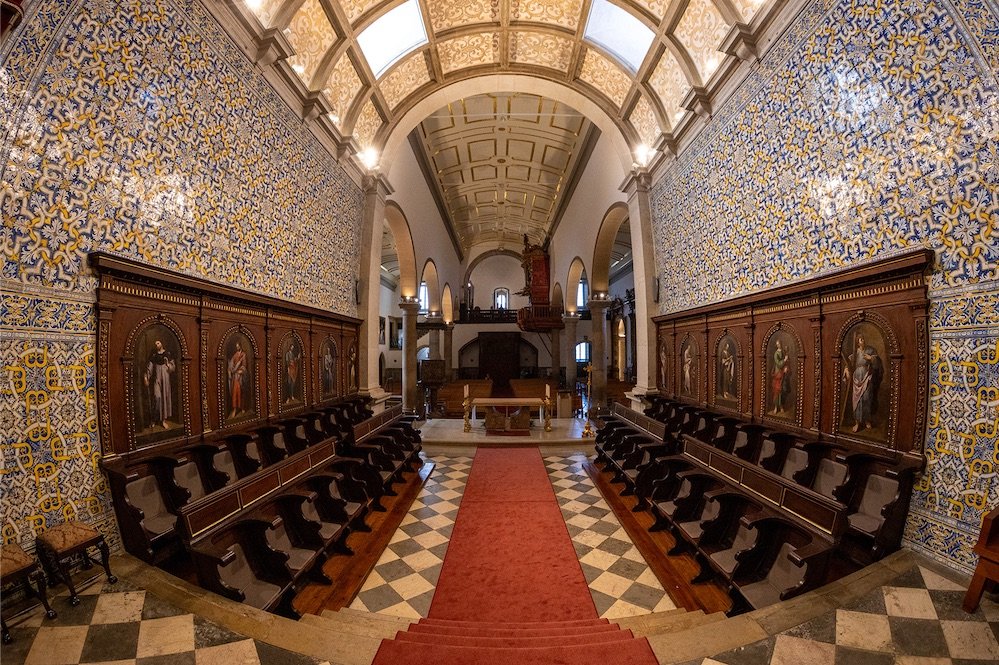
From its medieval Gothic chapels to its exuberant Baroque altarpieces, and from the polychrome azulejos (tiles) to its historic organs, the Cathedral preserves a unique artistic collection. The bell tower offers one of the most privileged views over the old town and the Ria Formosa.

Come and discover this space where history, art, and spirituality meet.

CHAPELS & HERITAGE

Discover the Cathedral’s Chapels

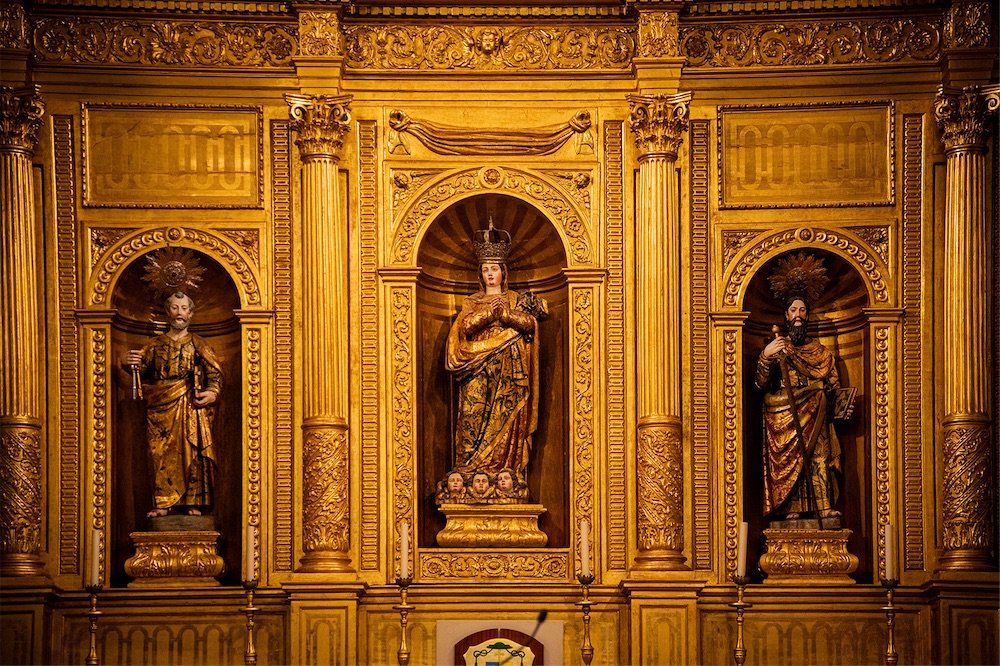
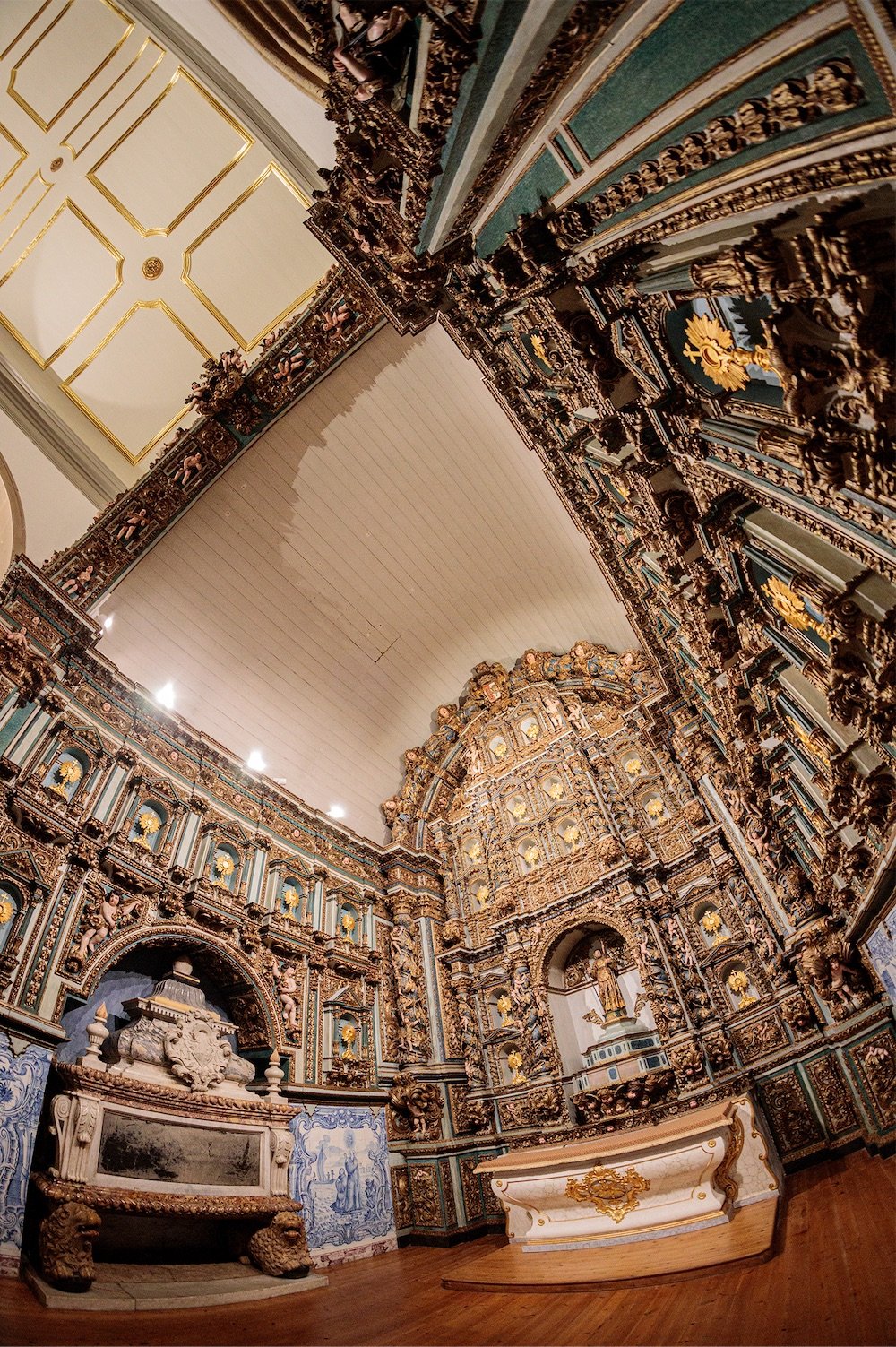
Twelve Baroque and Gothic chapels, each with its own history and artistic treasures. From the ornate gilded woodcarvings to the polychrome tiles, every space reveals centuries of faith and art.

CATHEDRAL MUSEUM

Discover the Museum

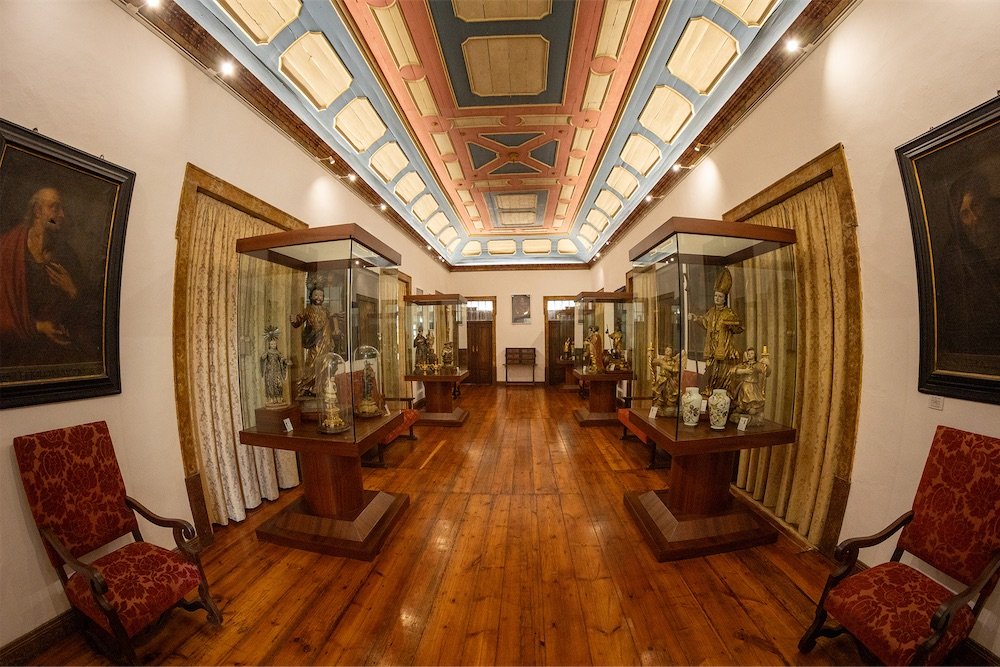
A hidden treasure in the heart of the Cathedral. Explore sacred art, religious statuary, vestments, and liturgical objects spanning five centuries of the Algarve’s religious history.

BELL TOWER

Climb the Bell Tower

One of the finest viewpoints in Faro. From the top of the medieval tower, enjoy a unique panoramic view over the city’s historic centre and the Ria Formosa.


Sunday Eucharist

Vigil Mass (Saturday):
5.30 pm (July and August: 9.30 pm)

Sundays: 12 pm

Defining Moments in the Cathedral’s History

HISTORICAL TIMELINE

1251

Construction Begins

Following the Christian reconquest of Faro in 1249, the Archbishop of Braga, D. João Viegas, began construction of the church upon the remains of a Paleo-Christian basilica.

1271

Entrusted to the Order of Saint James

The temple was handed over to the Order of Saint James (Ordem de Santiago) as a reward for their service in seizing the settlement from the Moors.

1577

Becomes an Episcopal See

Elevation to Cathedral: During the episcopate of D. Jerónimo Osório, the church was elevated to Cathedral status, becoming the seat of the Diocese of the Algarve following its transfer from Silves.

1596

Destruction

The troops of Robert Devereux, 2nd Earl of Essex, sacked and set fire to the church, destroying much of the interior. This event marked the beginning of its Baroque reconstruction.

17th Century

Reconstruction

The Golden Age: Bishops and brotherhoods enriched the Cathedral with Baroque chapels, gilded woodcarvings, polychrome tiles, and monumental altarpieces, which today form one of the Algarve’s most valuable artistic ensembles.


1722 and 1755

Earthquakes

The earthquakes caused further damage to the building, leading to successive restorations that significantly altered its original medieval design

History of the Diocese

The Diocese of the Algarve: A Millennium of History

It is a widely held view that Christianity first entered Portugal through the region now known as the Algarve. In 303 AD, Bishop Vincent of Ossónoba (modern-day Faro) signed the acts of the Council of Elvira, signifying that a structured Church already existed in the Algarve territory as early as the 3rd century.

Following the creation of the Diocese of Silves in 1189, Pope Paul III decreed in 1539 that the episcopal see be transferred to Faro. This move was formalised in 1577, when the humanist bishop, Dom Jerónimo Osório, celebrated Mass for the first time in the new Cathedral during that year’s Holy Week.

Since then, Faro Cathedral has been the mother church of the Diocese of the Algarve, remaining the heart of the region’s religious life for nearly 450 years.

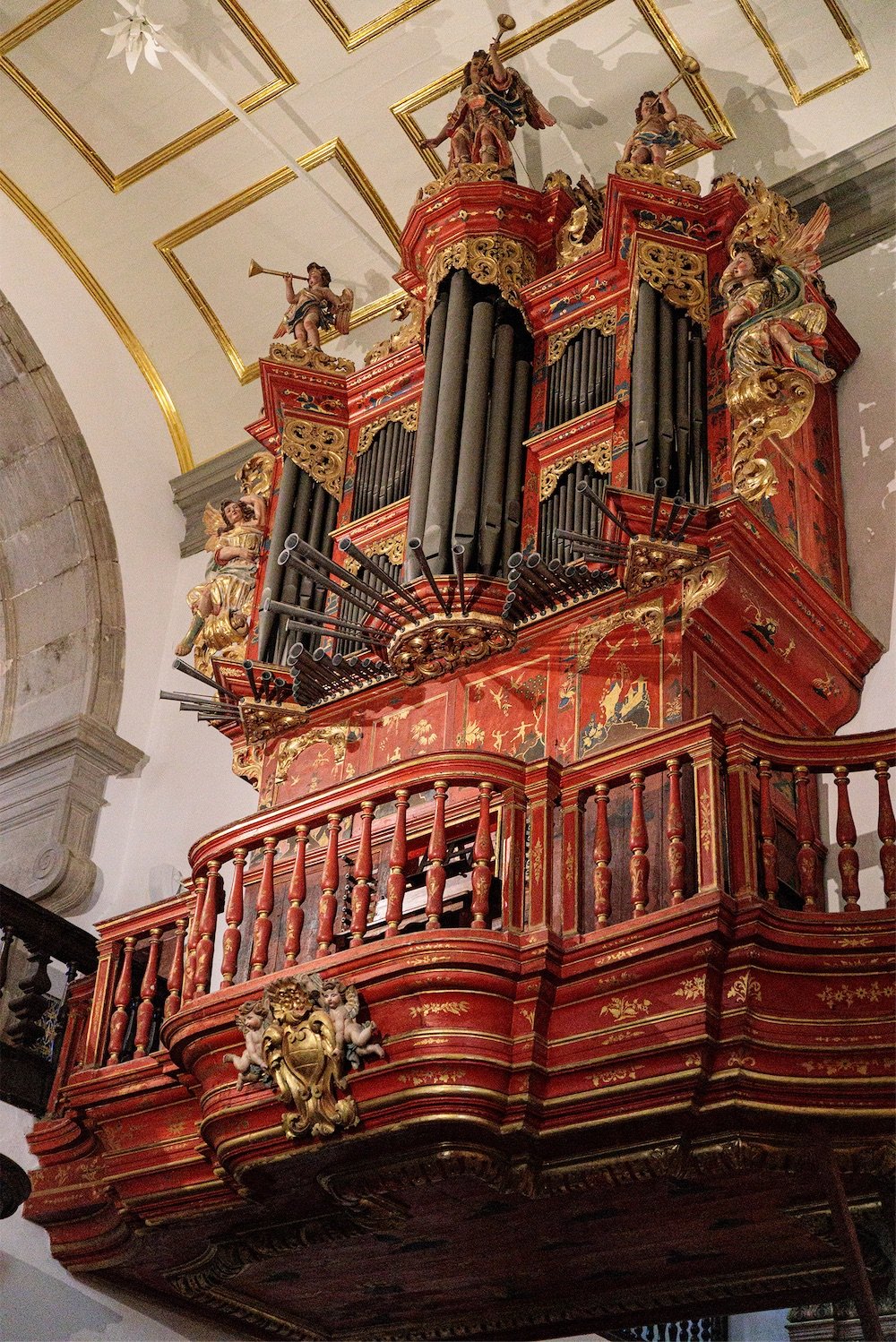
The Grand Organ (1715-1716)
A monumental instrument of North German design, featuring unique Chinoiserie decoration by the Algarve artist Francisco Correia da Silva.
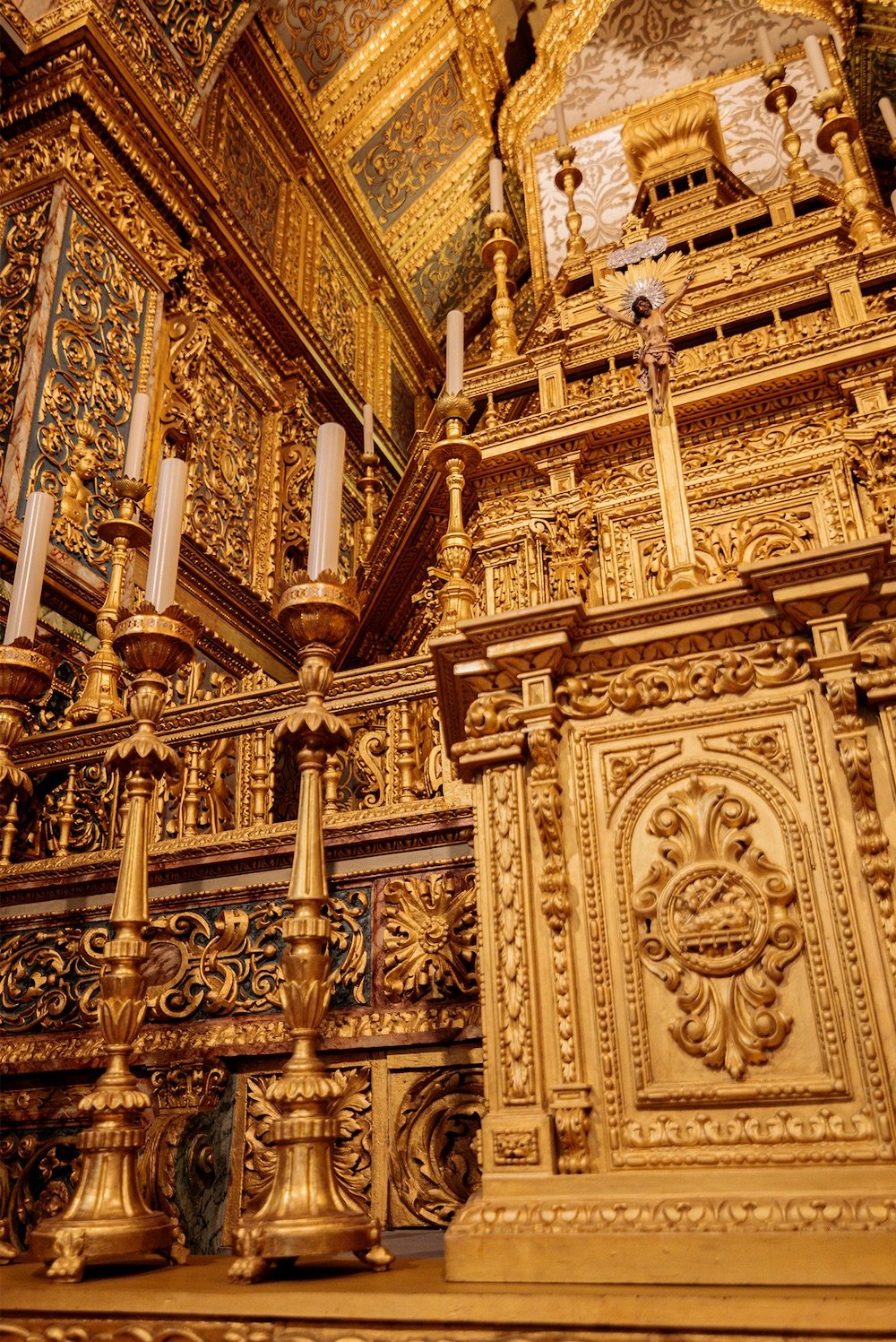
Chapel of the Blessed Sacrament
The first Eucharistic altarpiece in the Algarve, featuring a pyramidal throne for the solemn exposition of the Blessed Sacrament (1673).
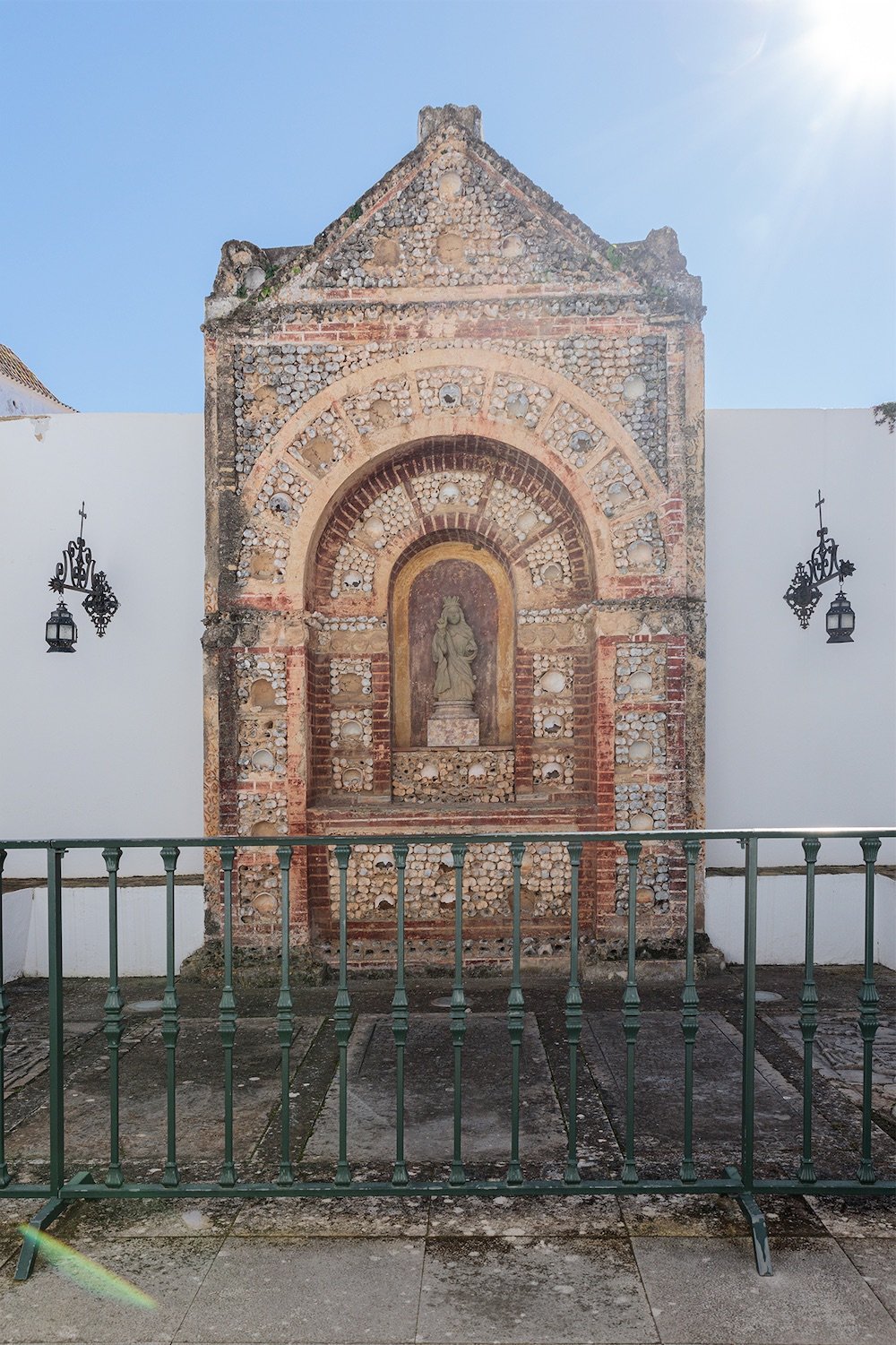
Chapel of Bones
A space for reflection on life and death, lined with human bones from the Cathedral’s former cemetery (17th century).
Reliquary of Saint Vincent
A silver piece housing the relics of Saint Vincent, patron saint of the Diocese of the Algarve, set within the region’s only reliquary-altarpiece.